

Why the Fastest Growing Cities Hold the Best Real Estate Opportunities
If you’ve been searching for the best cities for real estate investment, you’re not alone. Many investors want to know which markets are expanding fast enough to produce strong returns without adding unnecessary risk. Real estate shifts quickly: one year a city seems flat, then the next it becomes a hotspot filled with new construction, rising rents, and job growth that strengthens demand.
Investing in the right market can unlock long-term appreciation, stable cash flow, and sustained rental demand. Choosing the wrong one can lead to high vacancy rates and slow value growth. This is why understanding which cities are thriving is essential, especially when tracking data-backed insights from resources such as Forbes, the National Association of Realtors, and in-depth financial guidance from Investopedia.
In this guide, we explore the fastest growing cities, what makes them attractive, and why locations such as Las Vegas frequently appear on top lists for high ROI potential. By the end, you’ll have a clearer sense of where opportunities are rising and how to evaluate markets with confidence.
What Makes a City One of the Best for Real Estate Investment


A city does not become a top investment destination by accident. Strong real estate markets share several characteristics that create sustained demand and help push both property values and rental income higher. Recognizing these factors allows investors to understand why certain locations consistently rank among the best cities for real estate investment.
The strongest real estate markets typically offer:
- Population growth, which strengthens housing demand and reduces vacancies.
- Job growth, which creates economic stability and improves residents’ ability to pay rent.
- Diverse industries that reduce dependence on a single economic sector.
- Affordable entry prices that give investors room for appreciation.
- Strong rental demand driven by relocators, students, or young professionals.
These indicators work together to increase investor confidence. A city with rapid job expansion often attracts new residents, raising occupancy rates and rental prices. Affordability also plays a major role by allowing more investors to enter the market while long-term appreciation builds wealth.
The Best and Fastest Growing Cities for Real Estate Investment
Understanding Market Growth Patterns Clearly
Identifying the best cities for real estate investment starts with understanding broader growth patterns. Cities expand due to factors such as economic diversification, relocation trends, and controlled construction. When more people move into a city than new homes being built, competition grows and both rents and property values rise.
These long-term growth indicators are often highlighted in industry analyses from sources like HousingWire and population data from Statista. Cities such as Las Vegas, Austin, and Phoenix continue to grow due to affordability and lifestyle appeal.
Identifying Key Investment Drivers Strategically
Once growth patterns are clear, the next step is identifying what fuels them. Job availability is one of the strongest predictors of real estate performance. Markets experiencing tech, healthcare, and logistics expansion often see rising rental demand and stronger appreciation.
Las Vegas is an example of a city benefiting from economic diversification. Beyond tourism, it continues to expand into healthcare, technology, and distribution sectors, strengthening the las vegas real estate market and creating attractive las vegas real estate investment opportunities.
Transportation improvements such as airport expansions, new transit, or major roadway changes also influence property values. Investors who monitor development plans gain a major advantage in identifying early-stage growth zones.
Comparing Population Growth Trends Consistently
Population growth remains one of the most reliable markers of real estate demand. Cities like Las Vegas, Raleigh, Tampa, and Boise continue to show impressive migration trends, attracting retirees, remote workers, and young professionals.
Steady inflow strengthens both long-term and short-term rental markets. Following local migration reports helps investors align their property strategies with area-specific demand.
Evaluating Rental Demand Factors Carefully
Rental demand varies depending on affordability, job opportunities, local lifestyle, and seasonal activity. Markets known for tourism, like Las Vegas, offer unique long-term and short-term rental potential, reinforcing trends across the las vegas housing market.
Strong rental demand keeps ROI stable even during slower economic cycles. To evaluate it effectively, investors should monitor:
- Vacancy rates
- Rental growth
- Tenant turnover length
- Competition
- Local rental regulations
Cities balancing strong demand with moderate competition typically deliver the best results.
Reviewing Appreciation Potential Metrics Accurately
Appreciation potential is critical to determining whether a city is positioned for long-term value growth. Cities with geographic or zoning limitations often appreciate faster because supply grows slower than demand.
Las Vegas has benefited from steady appreciation due to its tax climate, limited land availability, and continuous population growth. Monitoring metrics such as median home value shifts and new construction volume provides clarity on the las vegas real estate market forecast next 5 years, which remains positive according to many analysts.
Practical Ways to Apply These Market Insights


Use Case 1: Evaluating Las Vegas Neighborhoods Comfortably
Investors interested in real estate investing las vegas can compare the performance of neighborhoods such as Summerlin, Henderson, and Southwest Las Vegas. These areas often benefit from strong appreciation and fast lease-up rates. Many buyers begin by exploring available homes through services like the Galindo Group Find Your Home tool.
Use Case 2: Comparing Multiple High-Growth Cities Confidently
If you’re comparing Las Vegas, Phoenix, and Tampa, reviewing appreciation forecasts and rental vacancy trends can help determine the strongest match for your strategy. Sellers evaluating market timing may also benefit from using the Sell Your Home services to understand local market dynamics more clearly.
Use Case 3: Identifying Emerging Sub-Markets Early
Smaller cities near major metros frequently evolve into strong investment zones. Investors who follow job announcements and infrastructure projects can spot opportunities before prices rise. Investors who prioritize liquidity often explore options such as cash offer solutions or partner with renovation specialists through the Design and Renovation Team.
Essential Tips and Common Mistakes When Choosing an Investment City
Prioritize Data Over Hype
Following headlines alone can lead investors into overheated markets. Instead, data-driven insights from reputable sources like Forbes and market reports from HousingWire can help identify genuine growth.
Analyze Neighborhoods Individually
Even when a city is trending upward, individual neighborhoods may perform differently. Reviewing local schools, development plans, and crime statistics ensures long-term stability in your micro-market.
Don’t Ignore Local Regulations
Short-term rental laws, zoning restrictions, and HOA rules can all influence investment performance. Investors should stay informed to avoid unexpected limitations.
Consider Long-Term Economic Stability
Cities reliant on a single industry experience greater volatility. Markets with diversified economic foundations offer stronger long-term resilience.
Avoid Overstretching Your Budget
High-growth markets can tempt investors to overextend. Ensuring comfortable cash flow for maintenance, vacancies, and unexpected changes is key. Support from experienced teams like the Galindo Group Real Estate Team can help investors make informed decisions.
Finding the Best Cities for Real Estate Investment
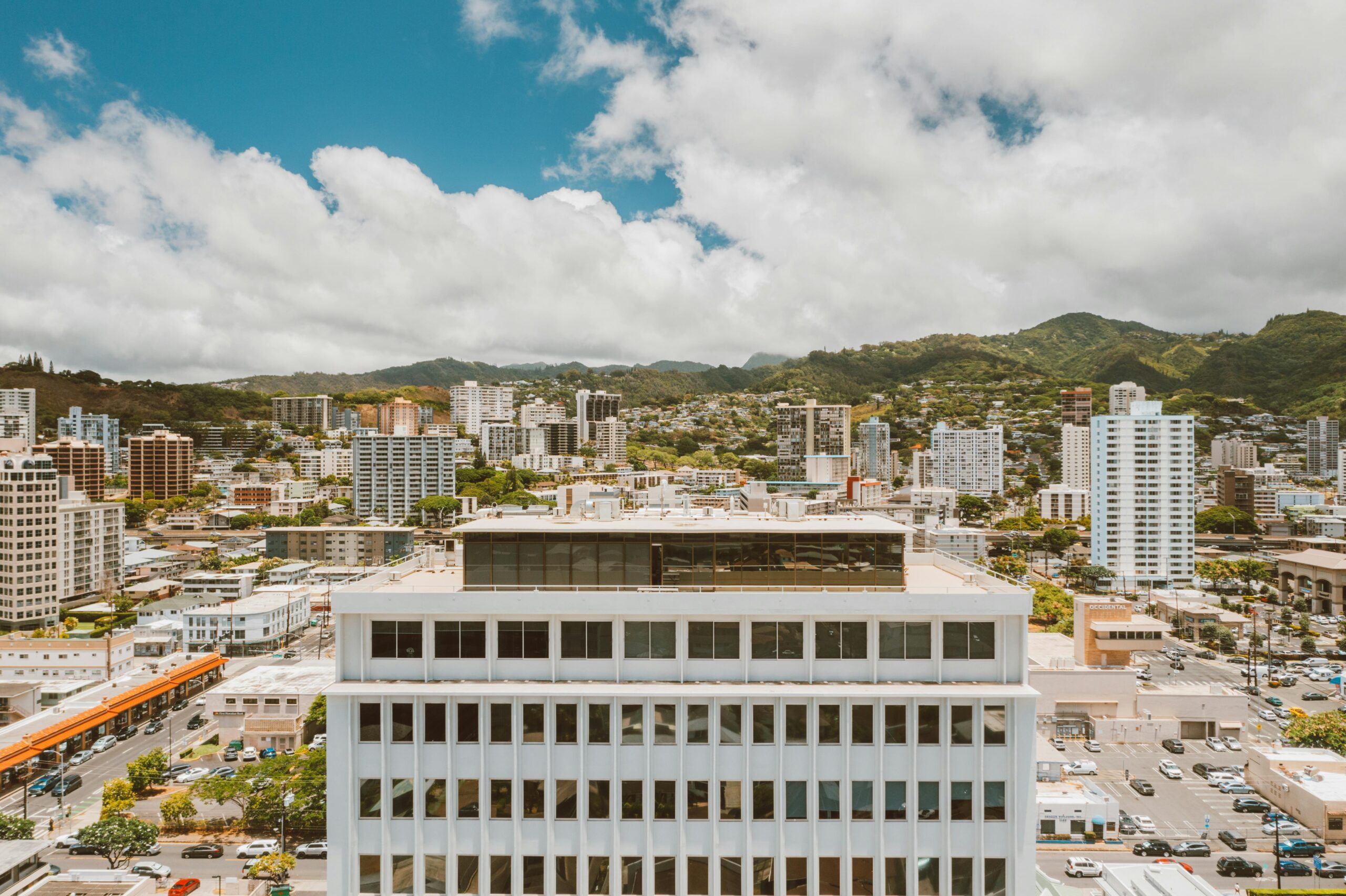

The search for the best cities for real estate investment becomes easier when you understand the drivers behind population growth, rental demand, and appreciation. Cities like Las Vegas continue to stand out due to affordability, migration patterns, and expanding industries. Investors often review community experiences from the Galindo Group Reviews page to better understand local market performance.
Using data-driven evaluation empowers investors to choose cities that align with their long-term goals and minimize unnecessary risk.
Frequently Asked Questions About the Best Real Estate Cities
Q1: What makes a city one of the best for real estate investment?
A strong investment city typically shows solid job growth, rising population, and consistent rental demand, all of which support long-term appreciation.
Q2: Is Las Vegas a good city for real estate investment right now?
Yes. Las Vegas continues to grow due to affordability, job diversification, and high rental demand. These trends support a strong outlook for both long-term and short-term investors.
Q3: How do I compare two fast-growing cities for real estate?
Focus on vacancy rates, job growth, rental price trends, and supply levels. Markets with strong demand and constrained inventory often deliver higher ROI.
Q4: What are the risks of investing in a high-growth market?
Rapid growth can lead to oversupply or overheating. Reviewing construction levels and economic stability helps minimize these risks.
Q5: Which property types perform best in fast-growing cities?
Single-family rentals and small multifamily properties often perform best thanks to broad tenant appeal and consistent appreciation.