

Buying a home in Las Vegas is an exciting milestone—but it can also feel overwhelming if you’re unsure what lies beneath the surface. A home might look flawless during a showing, yet hidden issues like aging HVAC systems, roof damage from intense desert heat, or outdated electrical components can turn into expensive surprises after closing. That’s exactly why a Las Vegas home inspection checklist is one of the most valuable tools any buyer can use.
Las Vegas homes face conditions unlike many other U.S. markets. Extreme summer temperatures, hard water, shifting desert soil, and a mix of older and newer construction all influence how properties age. Without a clear home inspection checklist for buyers, it’s easy to overlook critical details that impact safety, comfort, and long-term value.
This guide is designed to give you clarity and confidence. You’ll learn what to look for during a home inspection, why each system matters in Southern Nevada, and how to use inspection results strategically. Whether you’re purchasing your first home, relocating, or upgrading, this buyers home inspection checklist will help you make informed decisions and avoid costly mistakes.
By the end of this guide, you’ll understand:
- What home inspectors look for in Las Vegas homes
- Common inspection issues unique to Southern Nevada
- How to use inspection findings during negotiations
- Practical home inspection tips for buyers
Let’s walk through the process step by step so you can move forward with confidence.
Understanding Home Inspections in Las Vegas
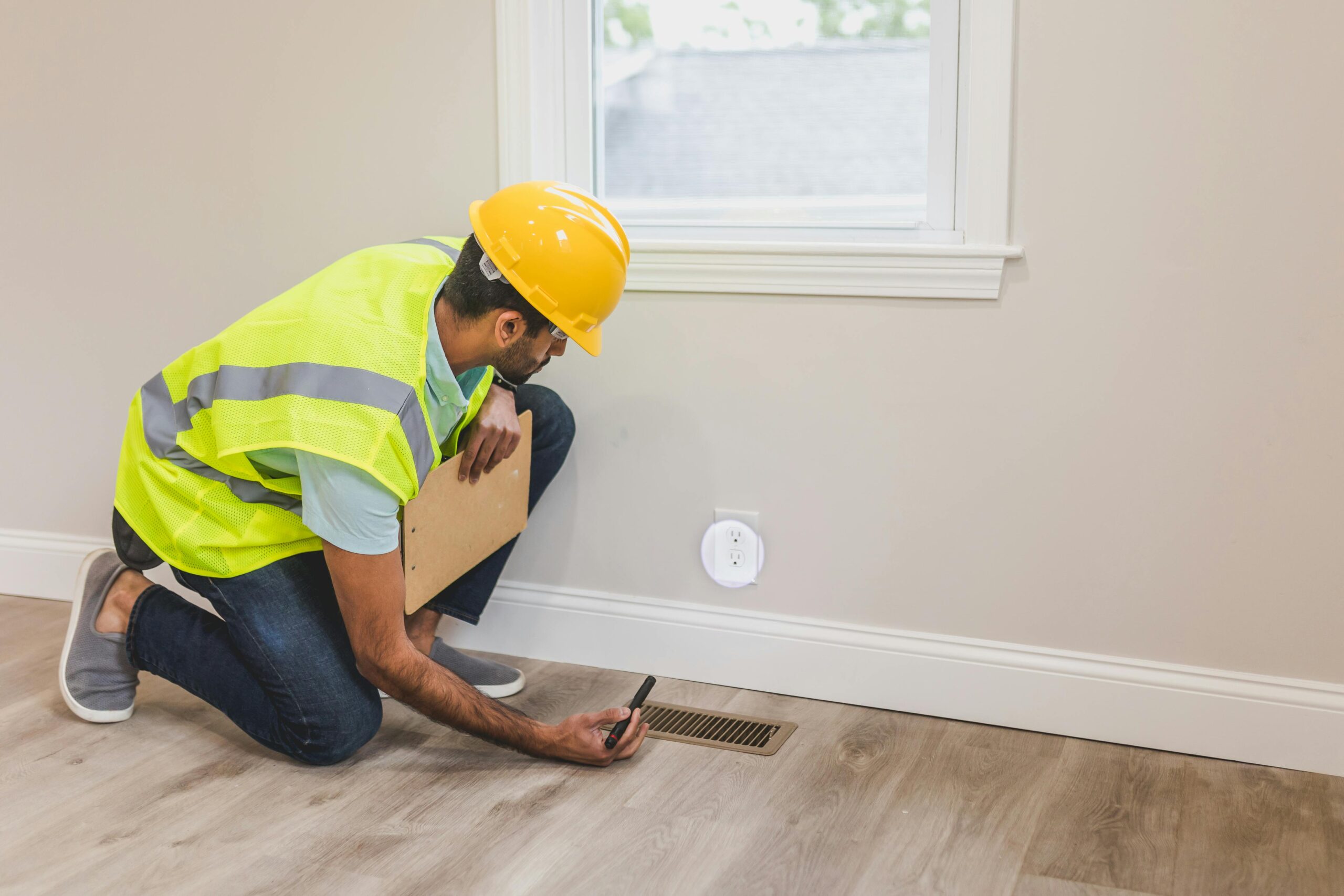

A home inspection is a professional evaluation of a property’s visible and accessible systems and components. In Las Vegas, inspections are especially important because environmental factors can accelerate wear and tear on major systems.
Inspectors typically review:
- Structural components
- Roofing and attic systems
- Electrical and safety systems
- Plumbing and water systems
- HVAC and cooling systems
- Interior and exterior features
While inspections don’t guarantee a home is problem-free, they do identify safety risks, existing damage, and future maintenance needs. For buyers, this knowledge is critical.
Why Home Inspections Matter for Las Vegas Buyers
Using a home buying inspection checklist offers several advantages in this market:
- Identifies heat-related wear on roofs and HVAC systems
- Reveals plumbing damage caused by hard water buildup
- Flags outdated electrical systems common in older neighborhoods
- Highlights drainage or soil-related foundation concerns
- Strengthens buyer leverage during negotiations
Many buyers assume newer or renovated homes don’t need inspections. In reality, even new construction can have installation defects or unfinished work. A new home inspection checklist ensures nothing is overlooked.
The Complete Las Vegas Home Inspection Checklist
This section breaks down what do home inspectors look for when evaluating Las Vegas properties. Use this as your master home inspection checklist for buyers.
Exterior and Structural Components Check
The exterior and structure protect everything inside the home. In Las Vegas, inspectors pay close attention to how well a property handles heat, soil movement, and water drainage.
Key Areas Inspected:
- Foundation condition and visible cracks
- Signs of settling or soil movement
- Stucco exterior cracks or moisture intrusion
- Grading and drainage directing water away from the home
- Driveways, walkways, and patios
Why it matters: Desert soil can shift over time, causing subtle foundation movement. Small cracks may be cosmetic—or they may signal larger structural issues.
Pro Tip: Hairline stucco cracks are common, but recurring or widening cracks should be monitored carefully.
Roof and Attic Systems Evaluation
The Las Vegas sun is relentless, making roof condition one of the most critical inspection items.
What Inspectors Look For:
- Roof material condition and age
- Cracked or missing tiles or shingles
- Flashing around vents and chimneys
- Proper drainage and slope
- Attic insulation and ventilation
- Signs of leaks or heat damage
Why it matters: Poor attic ventilation traps heat, accelerating roof wear and increasing cooling costs. Roof replacements in Las Vegas can be expensive.
Pro Tip: Even if a roof appears visually intact, age matters. Ask how many years of useful life remain.
Electrical and Safety Systems Review
Electrical issues are common in older Las Vegas homes built before modern safety standards.
Inspection Includes:
- Main electrical panel condition
- Wiring type and grounding
- GFCI outlets in kitchens, bathrooms, and garages
- Outlet and switch functionality
- Overloaded circuits or fire hazards
Why it matters: Outdated panels or improper wiring increase fire risk and may not meet insurance or lending requirements.
Pro Tip: Electrical panel upgrades can be costly—identifying issues early helps with budgeting or negotiation.
Plumbing and Water Systems Inspection
Hard water is a major contributor to plumbing wear in Las Vegas homes.
What Inspectors Evaluate:
- Water pressure and flow
- Visible pipes and connections
- Signs of leaks or corrosion
- Fixtures, toilets, and shut-off valves
- Water heater age, installation, and efficiency
Why it matters: Mineral buildup shortens the lifespan of pipes and appliances, leading to hidden leaks and costly repairs.
Pro Tip: Ask whether a water softener is installed—it can significantly extend plumbing system life.
HVAC and Cooling Systems Assessment
In Las Vegas, air conditioning isn’t a luxury—it’s a necessity.
Inspection Covers:
- AC and heating system operation
- Airflow and ductwork condition
- Thermostat function
- System age and efficiency rating
Why it matters: HVAC replacement costs in Southern Nevada can be significant, and system failure during summer is more than inconvenient.
Pro Tip: System age often matters more than appearance. A functioning but aging unit may still need replacement soon.
Interior Features and Finishes Check
Inside the home, inspectors look beyond cosmetic appeal.
Areas Reviewed:
- Walls, ceilings, and floors
- Doors and windows
- Cabinets and countertops
- Built-in appliances
- Signs of water intrusion or mold
- Evidence of structural movement
Why it matters: Interior issues can reveal deeper problems, such as roof leaks, plumbing failures, or foundation movement.
Pro Tip: Isolated cracks may be normal, but patterns or repeated repairs warrant closer attention.
Special Considerations for First-Time Buyers
A first time home buyer inspection checklist is especially important because new buyers may not know what issues are normal versus concerning.
First-time buyers should:
- Attend the inspection whenever possible
- Ask questions during the walkthrough
- Request clarification on report severity
- Focus on major systems, not minor cosmetic flaws
Understanding the inspection process reduces anxiety and builds confidence.
What to Look for During a Home Inspection in Las Vegas Neighborhoods
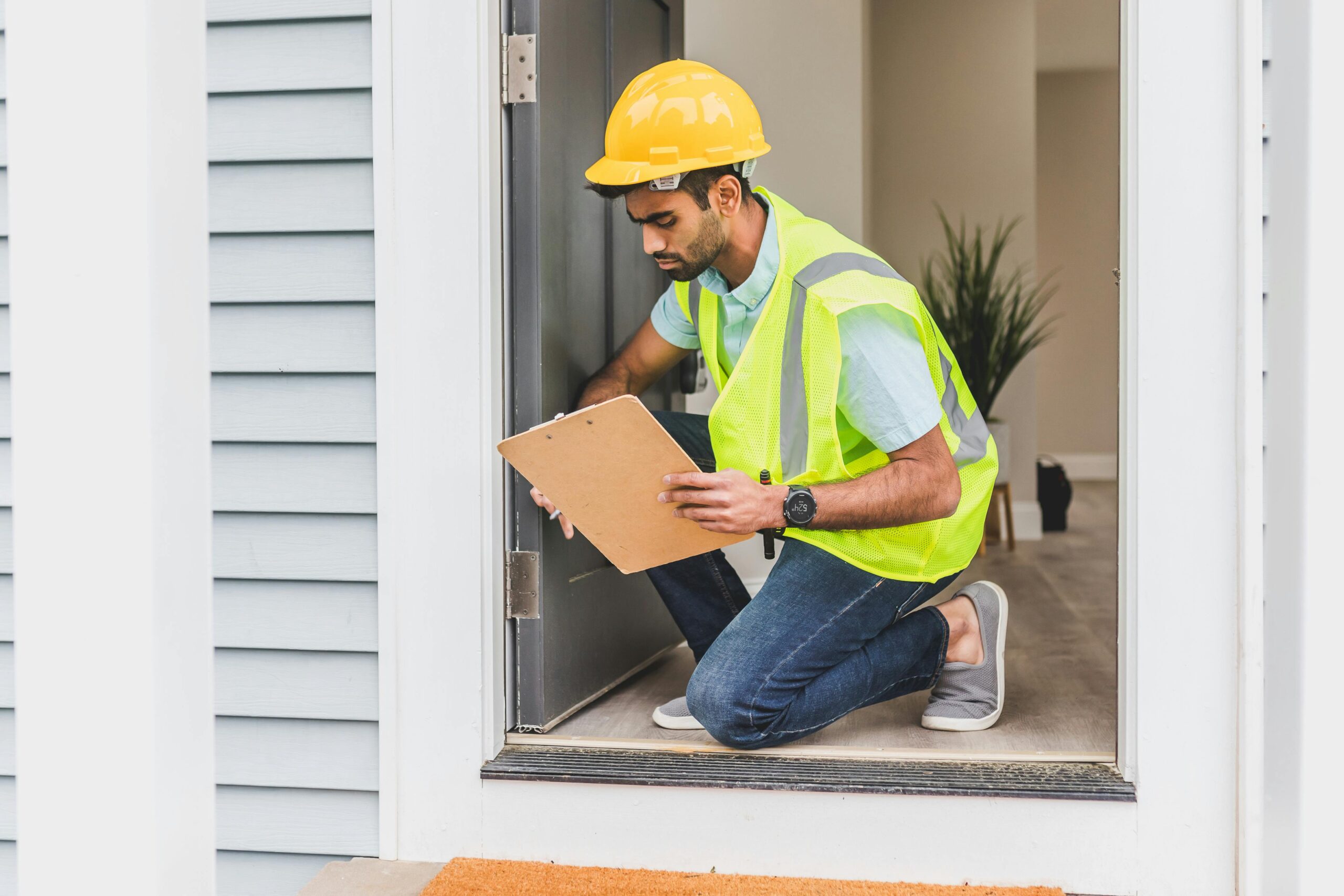
Different areas of Las Vegas present different inspection trends:
- Older neighborhoods: Electrical panels, plumbing wear, and roof age
- Newer developments: Construction defects, grading issues, incomplete work
- HOA communities: Shared roofing, exterior maintenance responsibilities
A localized home inspection checklist for home buyers helps distinguish common regional issues from serious red flags.
Real-World Buyer Use Cases in Las Vegas
Inspections aren’t just informational—they’re strategic.
- A first-time buyer in Summerlin used inspection findings to negotiate HVAC replacement credits, saving over $8,000.
- A North Las Vegas buyer uncovered roof heat damage and outdated wiring, leading to a price reduction.
- An investor identified deferred maintenance that affected rental readiness and adjusted ROI projections accordingly.
These examples show why knowing things to look for during a home inspection directly impacts financial outcomes.
Smart Home Inspection Tips for Buyers
Before reviewing your report, keep these home inspection tips for buyers in mind:
- Attend the inspection in person
- Prioritize roof, HVAC, plumbing, and electrical systems
- Don’t panic over long reports—severity matters more than quantity
- Use findings for negotiation, not perfection
- Work with local professionals who understand Las Vegas conditions
Using Inspection Results to Negotiate
Inspection reports often lead to:
- Repair requests
- Seller credits
- Price adjustments
A knowledgeable local agent can help you determine which items are reasonable negotiation points and which are normal maintenance concerns.
Buyers working with Galindo Group Real Estate benefit from expert guidance through inspections, negotiations, and closing.
If you’re still searching for the right property, explore professional help to find your home in Las Vegas. If you’re selling, inspection knowledge also helps you sell your home with confidence.
Additional Buyer Resources
Depending on your situation, you may also benefit from:
- Exploring cash offer options
- Learning about design and renovation services
- Getting to know the local real estate team
- Reading verified client reviews
- Understanding VA loan options for Las Vegas homes
Final Thoughts on the Las Vegas Home Inspection Checklist
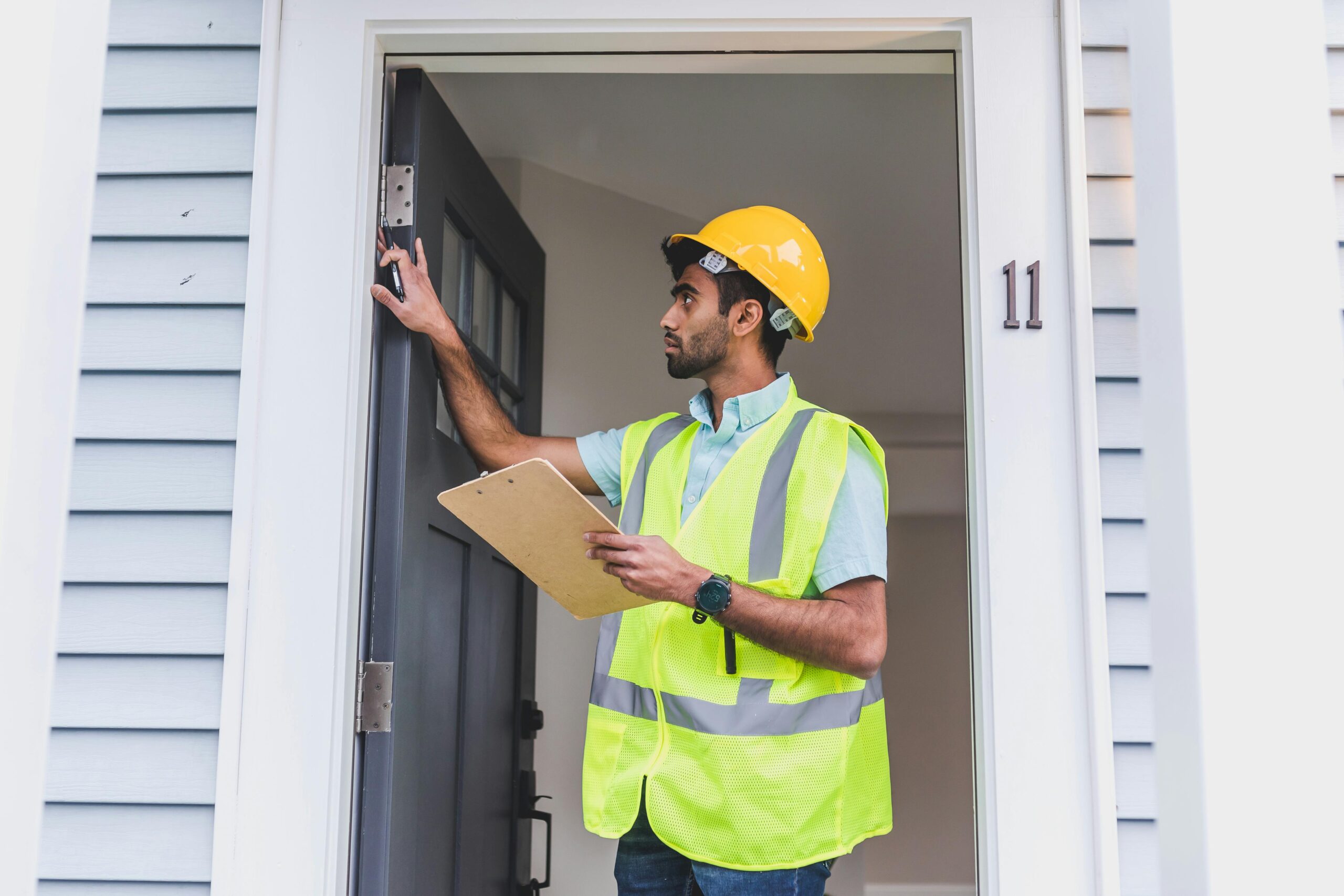
A detailed Las Vegas home inspection checklist empowers buyers to make confident, informed decisions. By understanding what do home inspectors look for—and why it matters in the desert climate—you reduce risk and protect your investment.
The right inspection helps you:
- Avoid expensive surprises
- Plan future maintenance realistically
- Negotiate from an informed position
Whether you’re using a home inspection checklist for buyers, a home buying inspection checklist, or a new home inspection checklist, preparation is key. With the right guidance and local expertise, buying a home in Las Vegas becomes a strategic, confident process rather than a stressful one.
Frequently Asked Questions
Is a home inspection required in Las Vegas?
Home inspections aren’t legally required, but they are strongly recommended. Most lenders and experienced buyers insist on inspections to identify safety issues and major repairs.
How long does a Las Vegas home inspection take?
Most inspections take 2–4 hours depending on property size, age, and condition. Larger or older homes may take longer.
Can buyers negotiate after a home inspection?
Yes. Buyers often request repairs, credits, or price adjustments—especially for major systems like HVAC, roofing, or electrical.
What are common inspection issues in Las Vegas homes?
Common issues include aging HVAC systems, roof heat damage, hard water plumbing wear, outdated electrical panels, and stucco cracking from soil movement.
Should new construction homes be inspected?
Absolutely. Even new builds can have defects. A professional inspection ensures safety, quality, and proper completion before closing.