
Buying a home in Las Vegas is exciting. You’ve found the right neighborhood, negotiated a purchase price, and secured financing. But when closing day approaches, many buyers are surprised by one final number: closing costs.
If you’ve been asking questions like “How much are closing costs in Nevada?”, “What’s included in closing costs for a buyer?”, or “Who pays closing costs in Nevada?”, you’re not alone. Las Vegas buyer closing costs often feel confusing because they bundle multiple fees into one total, and many of them don’t get discussed until the very end of the transaction.
The good news is that buyer closing costs in Nevada are predictable, explainable, and often negotiable. Once you understand how they work, you can budget accurately, avoid surprises, and even reduce how much you pay out of pocket.
In this in-depth guide, we’ll break down Las Vegas buyer closing costs step by step. You’ll learn what fees are included, what percentage of the purchase price buyers usually pay, how cash purchases differ, and how to keep your closing costs as low as possible. By the end, you’ll feel confident reviewing your Closing Disclosure and walking into your new home prepared.
What Are Closing Costs for Buyers in Las Vegas?
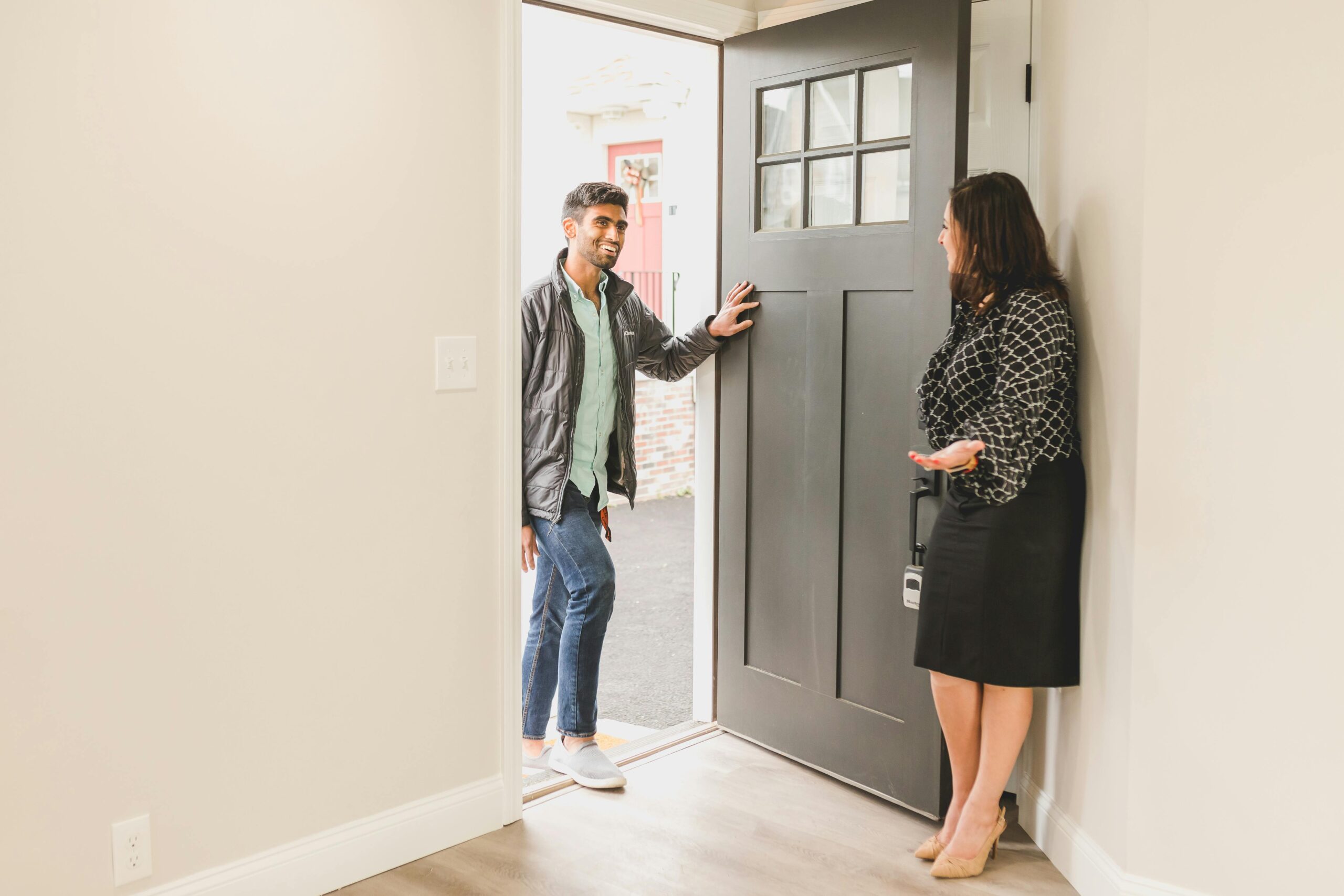
Closing costs are the collection of fees and prepaid expenses required to complete a real estate transaction. These costs are paid at the “closing” of the deal, when ownership officially transfers from seller to buyer.
In Nevada, buyer closing costs typically range from 2% to 4% of the purchase price. The exact amount depends on several factors, including:
- Loan type (conventional, FHA, VA, cash purchase)
- Lender fees and interest rates
- Home price
- Timing of the closing date
- Negotiated seller concessions
For example, on a $400,000 Las Vegas home, buyer closing costs may range from $8,000 to $16,000 before any seller credits are applied.
It’s important to understand that closing costs are separate from your down payment. Even buyers who qualify for low or zero-down programs must still plan for closing costs unless those expenses are negotiated into the deal.
Why Buyer Closing Costs Matter in Nevada
Las Vegas buyer closing costs directly affect how much cash you need on closing day. Underestimating them is one of the most common mistakes homebuyers make.
Closing costs matter because:
- They impact affordability just as much as your down payment
- They vary by lender and loan program
- Many fees are negotiable or reducible with the right strategy
- They affect both financed and cash purchases
Understanding how much closing cost a buyer pays allows you to plan ahead, compare lenders intelligently, and structure offers that protect your budget.
A Detailed Breakdown of Buyer Closing Costs in Las Vegas
Let’s break down exactly what’s included in closing costs for a buyer in Las Vegas and throughout Nevada.
Loan Origination and Lender Fees
If you’re financing your purchase, lender fees make up a significant portion of your closing costs. These fees compensate the lender for processing and approving your mortgage.
Common lender fees include:
- Loan origination fee
- Underwriting fee
- Processing fee
- Credit report fee
- Rate lock fee (if applicable)
Some lenders charge a flat amount, while others charge a percentage of the loan. This is why comparing loan estimates from multiple lenders is critical—fees can vary widely even for the same loan type.
Appraisal and Inspection Costs
Most lenders require an appraisal to confirm the property’s market value. In Las Vegas, appraisal fees typically range from $500 to $800, depending on the property size and complexity.
Home inspections are not technically part of closing costs since they’re usually paid upfront, but they are still an essential buyer expense. Inspections help identify potential issues and protect you from unexpected repairs after closing.
Title Insurance and Escrow Fees
Title insurance protects against ownership disputes, undisclosed liens, or errors in public records.
In Nevada:
- Buyers usually pay for the lender’s title insurance policy
- Seller-paid title costs vary based on contract terms
- Escrow fees are often split between buyer and seller
Escrow services handle the secure transfer of funds, documents, and legal paperwork. These fees are standard in Las Vegas transactions and are required to close.
Recording and Government Fees
Clark County charges recording fees to officially file the deed and mortgage with public records. These fees are relatively modest but mandatory.
They ensure:
- Legal transfer of ownership
- Proper documentation of the lender’s lien
- Public verification of property ownership
Prepaid Items and Reserves
Prepaid costs are often misunderstood. These are not lender fees, but advance payments required to set up your loan and escrow accounts.
Prepaid items may include:
- Homeowner’s insurance premium
- Property tax reserves
- Prepaid interest from closing day to your first payment
The amount depends heavily on when you close during the month and how much your lender requires in reserves.
How Much Are Closing Costs in Nevada for Buyers?
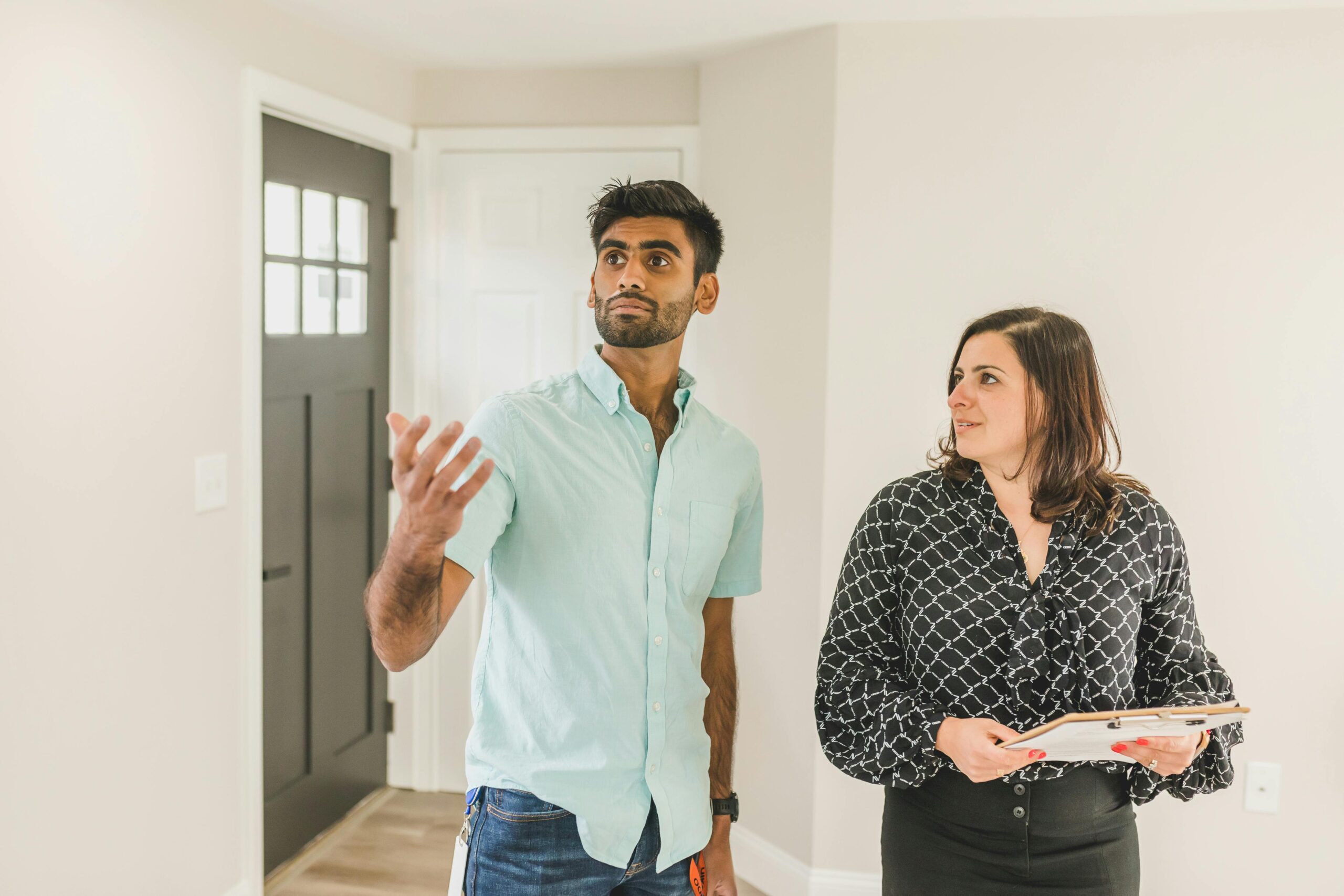
So, how much are closing costs in Nevada in real-world terms?
Here’s a general breakdown:
- 2% to 4% of purchase price for financed purchases
- Lower range for VA and some conventional loans
- Higher range for investment properties or complex financing
Example Scenarios
- $350,000 home → $7,000 to $14,000 in buyer closing costs
- $500,000 home → $10,000 to $20,000 in buyer closing costs
These estimates include lender fees, title, escrow, appraisal, and prepaid costs—but not the down payment.
Who Pays Closing Costs in Nevada?
One of the most common questions buyers ask is: Who pays closing costs in Nevada?
The answer: it depends on the contract.
While buyers are responsible for their own closing costs by default, sellers can contribute through seller credits. This is especially common in Las Vegas real estate transactions.
Seller credits can be used to cover:
- Buyer closing costs
- Prepaid expenses
- Loan-related fees
The amount a seller can contribute depends on loan type and negotiated terms.
Closing Costs for Cash Purchases in Las Vegas
A common misconception is that cash buyers have no closing costs. In reality, closing costs for cash purchases still exist, but they are usually lower.
Cash buyers typically pay for:
- Title insurance
- Escrow fees
- Recording fees
- Optional inspections
Because there are no lender fees, cash purchase closing costs often fall closer to 1% to 2% of the purchase price.
Similarly, closing costs for a cash sale on the seller side may differ, but buyers should still budget for ownership protection and escrow services.
What Percentage of the Purchase Price Are Closing Costs?
To summarize:
- Financed buyers: 2%–4%
- VA buyers: often closer to 2%
- Cash buyers: typically 1%–2%
Understanding what percentage of the purchase price closing costs represent helps buyers plan accurately and avoid last-minute stress.
How to Reduce Buyer Closing Costs in Las Vegas
While some closing costs are unavoidable, many buyers can significantly reduce what they pay.
Negotiate Seller Credits
In many Las Vegas transactions, buyers request seller concessions to cover part or all of their closing costs. This strategy is especially effective in balanced or buyer-friendly markets.
Compare Lenders Carefully
Lender fees vary more than most buyers realize. Shopping loan estimates can save thousands—not just at closing, but over the life of the loan.
Choose Your Closing Date Strategically
Closing later in the month reduces prepaid interest. While it won’t eliminate costs, it can lower your cash-to-close amount.
Work With Local Experts
A knowledgeable local agent understands customary fees, negotiation strategies, and lender practices specific to Nevada.
Common Buyer Closing Cost Mistakes to Avoid
Even experienced buyers make mistakes when it comes to closing costs. The most common include:
- Ignoring the loan estimate instead of reviewing each line item
- Assuming all fees are fixed and non-negotiable
- Forgetting prepaid costs when budgeting
- Waiting until closing day to ask questions
Reviewing your Closing Disclosure early gives you time to clarify and correct any discrepancies.
Why Local Expertise Matters for Las Vegas Closings
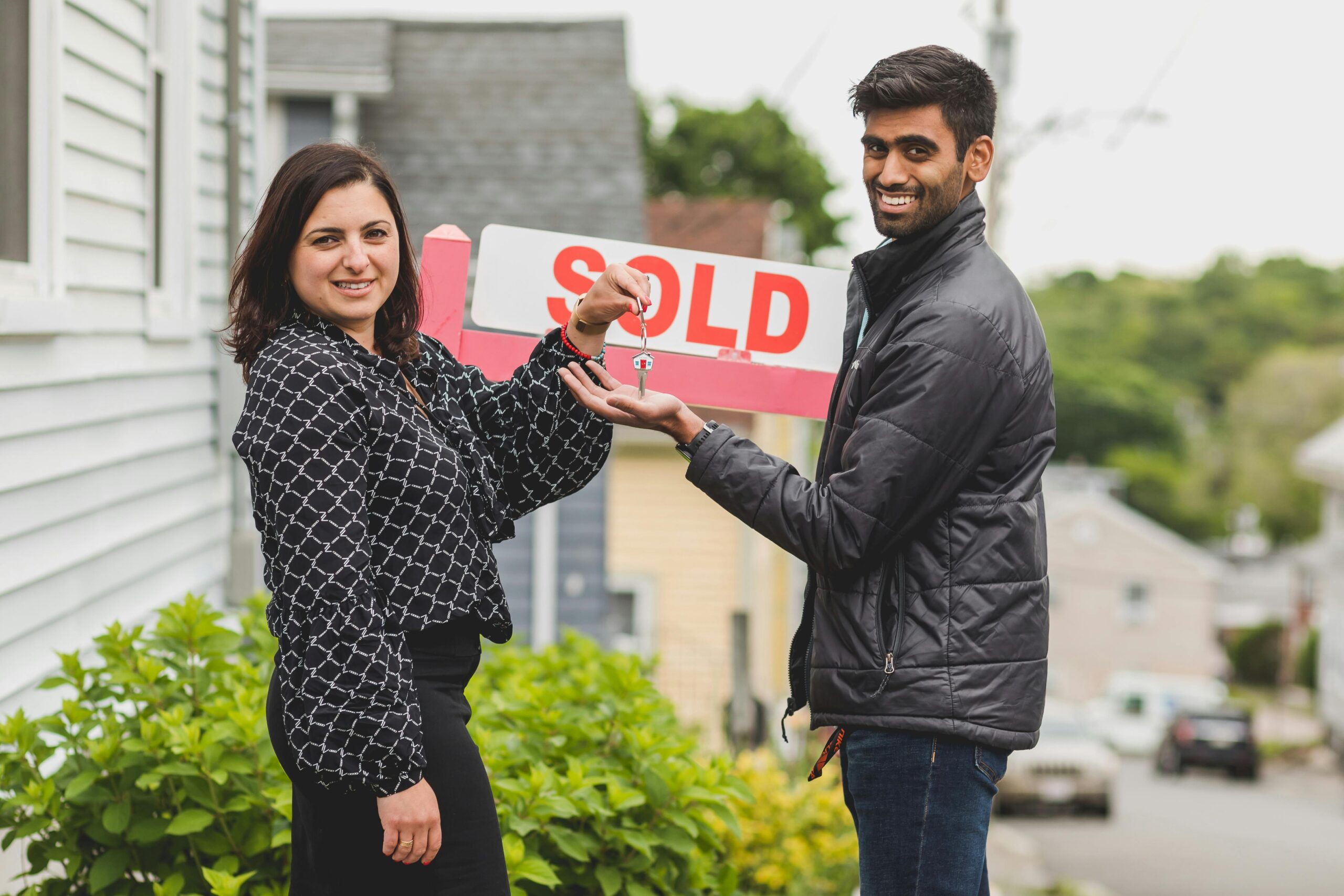
Las Vegas real estate transactions have unique nuances, from escrow customs to title practices. Working with a trusted local team like Galindo Group Real Estate helps buyers navigate closing costs with confidence.
Local professionals know which fees are standard, which are flexible, and how to structure offers that protect your bottom line.
If you’re actively searching for a property, explore professional guidance through Find Your Home. Sellers can learn about strategies that impact buyer negotiations at Sell Your Home. Buyers considering alternative financing or fast transactions may also want to explore Cash Offers or learn about VA Loans in Las Vegas.
Closing Costs for Buyers in Las Vegas Explained — Final Thoughts
Closing costs are a normal and manageable part of buying a home in Las Vegas. While the numbers may seem intimidating at first, every fee plays a role in protecting your investment and completing the transaction properly.
By understanding Las Vegas buyer closing costs, knowing what’s included, and learning how much buyers typically pay in Nevada, you can plan ahead and avoid surprises. The right strategy—combined with experienced local guidance—can keep more money in your pocket and make closing day smooth and stress-free.
If you’re preparing to buy or want a personalized estimate of your closing costs, working with the right professionals can make all the difference.
Frequently Asked Questions About Las Vegas Buyer Closing Costs
How much are buyer closing costs in Las Vegas?
Most buyers pay between 2% and 4% of the purchase price, depending on loan type and prepaid expenses.
Can sellers pay buyer closing costs in Nevada?
Yes. Seller credits are negotiable and commonly used in Las Vegas transactions.
Are closing costs higher for first-time buyers?
Not necessarily. Many first-time buyers qualify for programs or credits that reduce upfront costs.
Do VA loans have lower closing costs?
Generally, yes. VA loans limit lender fees and allow seller concessions.
When do buyers receive the final closing cost amount?
Buyers receive a Closing Disclosure at least three days before closing, showing final numbers in detail.