


Buying a home is exciting—until the numbers start to feel overwhelming. If you’re asking yourself, “How much house can I actually afford in Las Vegas?”, you’re far from alone. With rising home prices in Las Vegas, shifting interest rates, and lifestyle costs unique to Southern Nevada, affordability isn’t always as straightforward as it appears on paper.
Las Vegas continues to attract buyers for compelling reasons. There is no state income tax, steady job growth across healthcare, hospitality, tech, logistics, and construction, and a diverse mix of neighborhoods ranging from affordable starter communities to luxury master-planned developments. Still, many buyers either overestimate what they can afford or take the opposite approach—playing it too safe and missing opportunities that would fit comfortably within their budget.
The key to success is understanding Las Vegas home affordability in real-world terms, not just what a lender says you qualify for. True affordability considers your income, existing debts, lifestyle goals, risk tolerance, and long-term financial comfort.
In this guide, you’ll learn:
- How lenders calculate affordability in the Las Vegas housing market
- What monthly housing costs you should realistically plan for
- How neighborhoods influence Las Vegas housing prices
- Smart strategies to buy confidently without long-term financial stress
Let’s break everything down step by step so you can navigate the Las Vegas residential real estate market with clarity and confidence.
What Home Affordability Means in Las Vegas
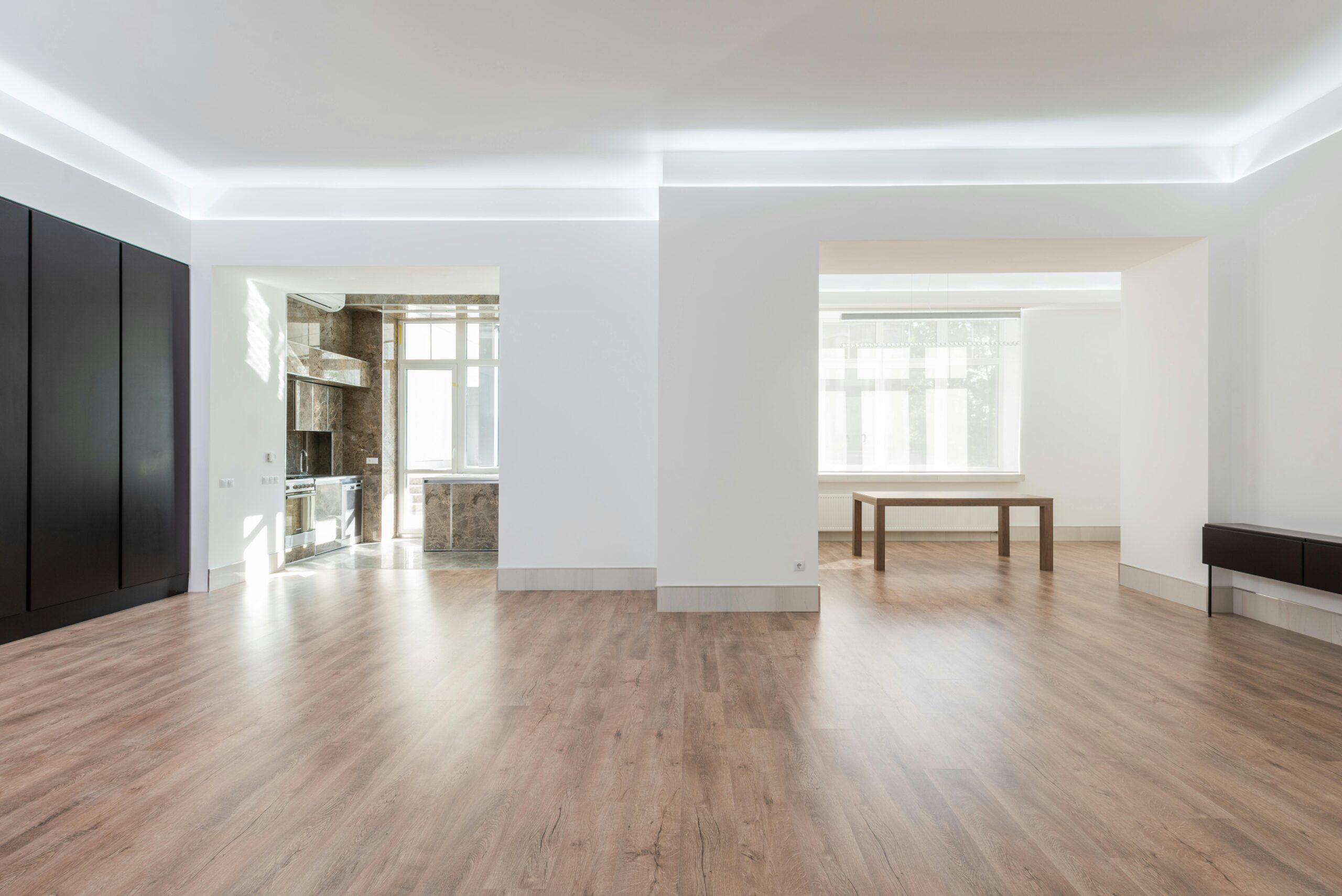
Las Vegas home affordability refers to how much home you can comfortably purchase without stretching your monthly budget or jeopardizing your long-term finances. While lenders rely on formulas and ratios, savvy buyers focus on sustainability.
Most lenders use a debt-to-income (DTI) ratio, typically targeting housing costs at or below 28–31% of your gross monthly income, with total monthly debts capped around 43–45%. However, these numbers are approval thresholds—not lifestyle recommendations.
In Las Vegas, affordability is shaped by several local factors:
- No Nevada state income tax, which increases take-home pay
- Property taxes that are relatively low compared to national averages
- HOA fees, common in master-planned communities
- Utility costs affected by desert heat and extended summer air conditioning use
A realistic affordability plan helps you:
- Maintain financial flexibility
- Prepare for future interest rate changes
- Avoid becoming “house-poor”
Key Benefits of Understanding Affordability Clearly
- Prevents overbuying based solely on lender maximums
- Aligns your purchase with lifestyle and financial goals
- Improves long-term stability and peace of mind
Once these factors are understood, you can begin narrowing your ideal house price range in Las Vegas with confidence.
How Lenders Calculate What You Can Afford
Lenders rely on standardized guidelines to determine loan approval, but their primary goal is minimizing risk—not ensuring your financial comfort. Understanding how lenders evaluate affordability helps you interpret approvals wisely.
Gross Income Determines Buying Power
Your pre-tax monthly income forms the foundation of affordability calculations. Higher income increases loan eligibility, but income alone doesn’t determine what you should spend.
Debt-to-Income Ratio Limits
Lenders assess recurring obligations such as:
- Credit card minimum payments
- Auto loans
- Student loans
- Personal loans or child support
These debts are measured against income to determine how much mortgage payment you can responsibly carry.
Down Payment Impacts Affordability
A larger down payment can:
- Reduce monthly mortgage payments
- Lower total interest paid over time
- Eliminate private mortgage insurance (PMI)
In the Las Vegas home market, many buyers put down between 3% and 10%, while stronger affordability and long-term savings often begin around 20%.
Interest Rates Shape Monthly Costs
Even small interest rate changes can dramatically affect affordability. A one-percent difference in rates can translate to hundreds of dollars per month—directly impacting how much house you should realistically target.
💡 Pro Tip: Just because you’re approved for a higher amount doesn’t mean you should use it. Comfort and flexibility matter more than qualification.
Monthly Costs That Affect Las Vegas Home Affordability
Understanding your full monthly housing picture is critical before settling on a price range.
Mortgage Principal and Interest
This core payment is driven by loan amount, interest rate, and term length. Thirty-year fixed loans remain popular in the Las Vegas Nevada real estate market for predictable payments.
Property Taxes in Clark County
Property taxes in Las Vegas typically range from 0.5% to 0.7% of assessed value, making them more affordable than many major metropolitan areas.
Homeowners Insurance
Insurance costs vary based on property size, age, and location, but must always be included in affordability calculations.
HOA Fees
HOAs are common throughout Las Vegas, particularly in communities like Summerlin and Henderson. Monthly HOA fees may range from under $50 to several hundred dollars depending on amenities.
Utilities and Maintenance
Desert heat increases electricity usage during summer months, and regular maintenance expenses should always be budgeted.
Safe affordability benchmark: Aim to keep all-in housing costs—mortgage, taxes, insurance, and HOA—within 25–30% of gross monthly income for long-term comfort.
How Neighborhood Choice Impacts Your Budget
Where you buy has a major impact on housing cost in Las Vegas.
- Central Las Vegas: Often more affordable with older homes and lower entry prices
- Henderson: Family-friendly communities with newer construction and moderate pricing
- Summerlin: Luxury master-planned developments with higher prices and HOA fees
- North Las Vegas: Rapid growth with more entry-level affordability
Your purchasing power may stretch further in certain areas, but trade-offs may include commute time, HOA rules, or home age.
Working with a local expert through finding the right home in Las Vegas helps you evaluate neighborhoods beyond just list prices.
Las Vegas Home Prices and Market Trends
Understanding current Las Vegas housing market news is essential when evaluating affordability. While prices have fluctuated in recent years, Las Vegas remains more attainable than many West Coast metros.
Median House Price in Las Vegas
The median house price in Las Vegas varies by neighborhood, property type, and market conditions. Entry-level homes remain accessible in developing areas, while luxury properties continue to command premium pricing.
New Construction and Development
New developments and revitalization projects play a major role in shaping affordability. Buyers exploring Las Vegas new construction and gentrification trends often find modern homes with energy-efficient features that offset higher prices.
Real-World Affordability Scenarios in Las Vegas

First-Time Buyer Example
A buyer earning $75,000 annually with minimal debt may comfortably afford a home in the mid-$300,000 range while maintaining financial breathing room.
Move-Up Buyer Example
A dual-income household earning $140,000 annually with equity from a previous home may afford $550,000–$650,000 depending on down payment and HOA obligations.
Investor or Second-Home Buyer
Buyers factoring rental income must still qualify personally, but strong demand in the Las Vegas home market can help offset ownership costs.
These examples demonstrate why affordability is personal—not one-size-fits-all.
Tips to Maximize What You Can Comfortably Afford
- Prioritize monthly comfort over price ceilings to maintain flexibility
- Reduce debt before buying to improve affordability
- Compare loan programs carefully to optimize payments
- Plan for lifestyle expenses, not just housing
- Work with local experts early to avoid costly mistakes
If you plan to sell before buying, understanding timing and equity through professional home-selling guidance can dramatically impact affordability.
Alternative Buying Strategies in Las Vegas
Some buyers explore cash offer opportunities or renovation strategies to increase affordability. Others work with professionals offering design and renovation services to add value post-purchase.
Why Local Expertise Matters
Navigating vegas real estate prices requires insight into micro-markets, HOA structures, and future development plans. Working with experienced professionals—such as the team behind Galindo Group Real Estate—helps buyers make informed, confident decisions.
Client experiences shared through real estate reviews from Las Vegas buyers further highlight the importance of guidance tailored to individual goals.
Conclusion: Buying with Confidence in Las Vegas
Las Vegas offers tremendous opportunity for homebuyers, but true affordability comes from understanding the full picture. When lender guidelines align with your personal comfort level, neighborhood preferences, and lifestyle priorities, buying becomes empowering rather than stressful.
By focusing on Las Vegas home affordability, you protect your financial future while enjoying everything the city offers. The right home isn’t just one you can purchase—it’s one you can comfortably enjoy long after closing day.
If you’re ready to explore what you can truly afford, working with experienced local professionals can help you identify options aligned with your long-term goals.
Frequently Asked Questions About Las Vegas Home Affordability
How much house can I afford in Las Vegas based on income?
Most buyers should aim to keep housing costs within 25–30% of gross income for long-term comfort.
Are Las Vegas homes still affordable compared to other cities?
Yes. Compared to many West Coast metros, Las Vegas offers lower taxes, more space, and broader price ranges.
Do HOAs affect affordability in Las Vegas?
Absolutely. HOA fees can significantly impact monthly costs and should always be factored in.
Is it better to buy now or wait in Las Vegas?
Affordability depends on interest rates, inventory, and personal finances. Waiting for lower prices may be offset by higher rates.
Should I get pre-approved before house hunting?
Yes. Pre-approval clarifies true affordability and strengthens your offer in competitive markets.