
If you have been watching the rapid expansion across the valley, you have probably noticed a striking pattern: las vegas new construction communities are rising quickly and altering neighborhood character. For buyers, investors, and long-time residents the key questions are straightforward: why now, who benefits, and how much of this ties back to gentrification real estate trends that are reshaping the market?
Las Vegas is changing fast. Master-planned communities and infill development are creating ripple effects in home prices, demographics, and local services. This article breaks down the forces driving new construction, explains how gentrification interacts with development, and outlines practical takeaways for anyone watching the las vegas real estate market.
How Gentrification Shapes Development
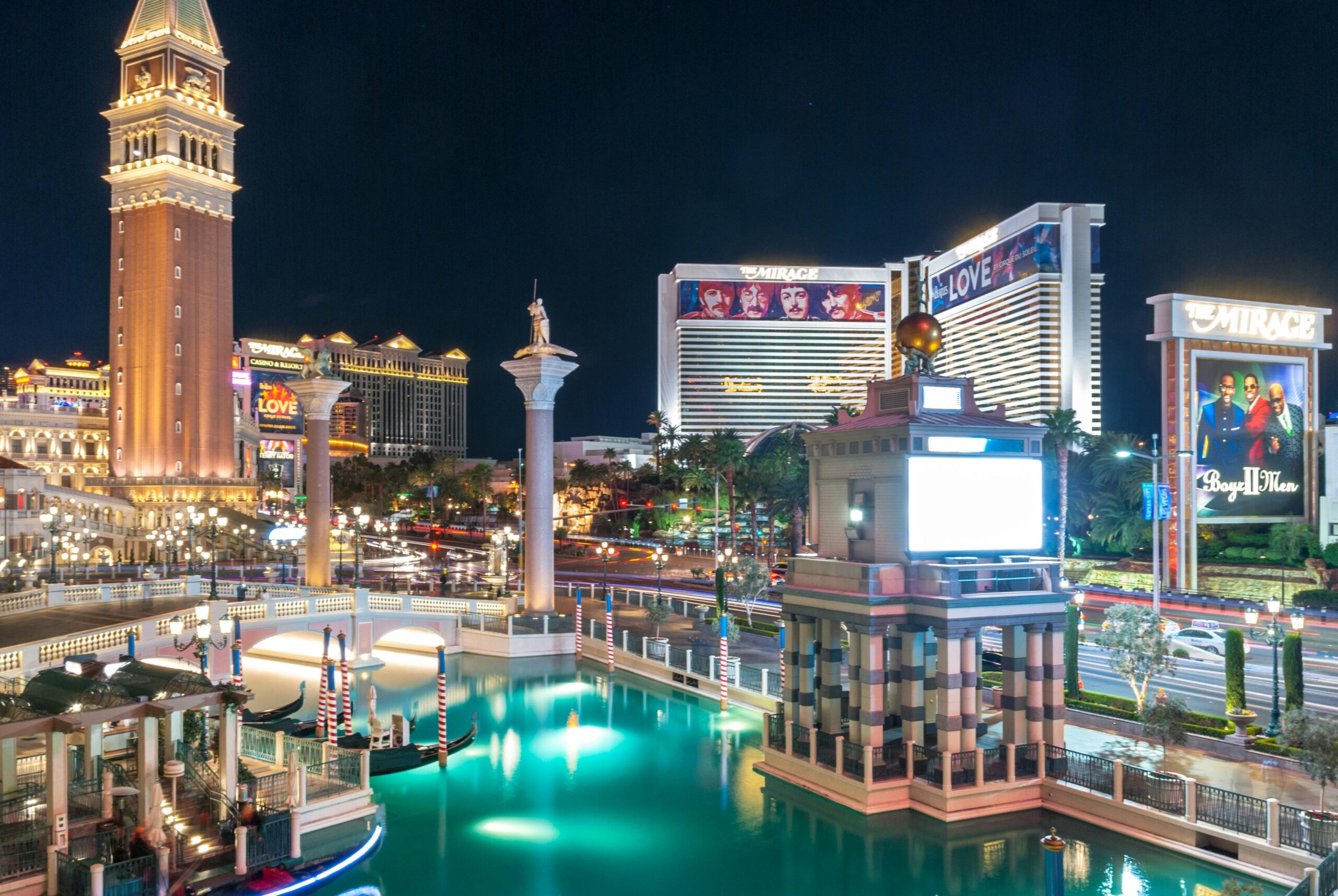
Gentrification and new construction are deeply linked, especially where population inflows and investor interest are strong. In Las Vegas, buyers relocating from higher-cost states have pushed demand for modern homes, which encourages builders to deliver new communities that match current preferences. That demand lifts property values, changes retail and service patterns, and sometimes displaces long-time residents.
Key outcomes include:
- Increased desirability in previously overlooked neighborhoods.
- More mixed-use projects that emphasize walkability and local retail.
- Stronger competition for land, which pushes prices higher.
- Shifts in neighborhood demographics and amenities.
Gentrification is neither wholly good nor wholly bad: it brings improved infrastructure and services, yet it can create affordability pressures. Understanding how the two interact helps buyers and policymakers anticipate where value and risk converge.
Main Factors Behind Today’s Changes
Gentrification real estate trends in Las Vegas start with rising demand. New residents bring preferences for energy-efficient design, open floor plans, and amenities such as trails, fitness centers, and integrated retail. Builders respond with master-planned neighborhoods and infill projects that deliver those features, accelerating neighborhood transformation.
This cycle creates predictable stages: initial development, retail and service growth, and then broader cultural and economic shifts. Over time, areas that were once affordable become more sought-after, sometimes pushing lower-income households to the urban fringe.
Why These Trends Matter
These development patterns matter for several reasons: they reshape the las vegas housing market, affect long-term affordability, and change where las vegas real estate investments show the most upside. For buyers seeking new homes, the benefits often include modern construction, warranties, and contemporary community planning. For long-time residents, the results can be ambiguous: better services but also higher taxes and cost of living.
The economic impact is real: as neighborhoods upscale, tax revenue and local services grow, but households on fixed incomes can feel squeezed. This trade-off is central to any conversation about gentrification in Las Vegas.
Where These Trends Lead: The New Community Model

Looking forward, expect more of the same core patterns: expansion of master planned communities las vegas, more mixed-use infill, and a focus on lifestyle-driven amenities that attract buyers who want convenience and experience. New communities emphasize curated public spaces, integrated retail, and pedestrian networks, which make them appealing to professionals and families alike.
These developments also guide the las vegas housing market forecast, because clustered investment tends to stabilize resale values in newly developed neighborhoods.
How These Trends Influence Buyers and Investors
For buyers and investors, new construction communities offer both opportunity and caution.
For example:
- Long-time residents upgrading locally: Families often move into new builds in order to access better schools, modern design, and reduced maintenance. These buyers benefit from energy efficiency and builder warranties.
- Out-of-state buyers relocating for affordability: People moving from higher-cost areas view Las Vegas as an attractive value proposition. Their buying power can accelerate neighborhood transitions.
- Investors targeting rentals: New homes near employment corridors and transit may perform well as short- and long-term rental products, making las vegas real estate investments in growth corridors attractive.
If you are actively shopping las vegas new homes for sale, balancing immediate lifestyle needs with long-term market signals is crucial.
The Truth About Specific Zones: Spring Valley and Beyond
Spring Valley new construction homes and spring valley new home communities deserve special attention. Spring Valley offers central access to the valley, a mix of suburban and urban adjacencies, and several new projects targeting buyers who want proximity to jobs without Downtown prices. If you are searching for new homes for sale in Spring Valley Las Vegas, expect a blend of attached and detached product, with varying HOA fees and infrastructure timelines.
Other zones to watch:
- Summerlin and Henderson: Master-planned communities with strong amenities and predictable resale dynamics. These remain among the best neighborhoods in Las Vegas for buyers prioritizing long-term stability.
- Northwest edges and infill corridors: Areas where land is available and builders can scale projects quickly. These often show faster initial appreciation.
- Arts district and urban infill: Where mixed-use redevelopment drives cultural revival and higher rental demand.
How Buyers Avoid Common Pitfalls
Navigating the new construction and gentrification landscape requires care. Use these best practices:
- Choose communities with clear, long-term infrastructure plans, including schools and commercial centers.
- Compare builder incentives carefully: upgrades, closing cost help, and rate buydowns can change a deal’s value.
- Understand HOA and special improvement district fees, because they affect monthly carrying costs.
- Evaluate resale potential: homes near planned commercial growth, transit, or top schools often perform better.
- Visit neighborhoods at different times of day to assess noise, traffic, and activity patterns.
For hands-on help comparing options, a targeted home search service can surface communities that fit your priorities.
Financial and Policy Considerations
Gentrification real estate trends also raise policy questions. How can Las Vegas preserve affordability while encouraging investment? Local programs that support affordable housing, property tax relief for long-term residents, and inclusive zoning can help balance growth. Investors and civic leaders who track the las vegas housing market forecast should also factor in potential policy changes that affect development costs and demand.
Practical Advice for Different Buyer Types
- First-time buyers: New construction offers warranties and modern systems, but initial premiums and HOA fees can be high. Compare total cost of ownership.
- Move-up buyers: New communities often provide scale and amenities appealing to growing families. Consider proximity to schools and commute corridors.
- Investors: Look for employment access, rising rental demand, and communities near planned infrastructure. New builds can reduce near-term capex but may face supply competition.
- Relocators from out of state: Expect to pay premiums for newness, but also benefit from modern design and lower maintenance.
If you plan to renovate or upgrade purchased inventory, professional design and renovation support can boost resale value and livability.
Where to Get Help When Buying or Selling
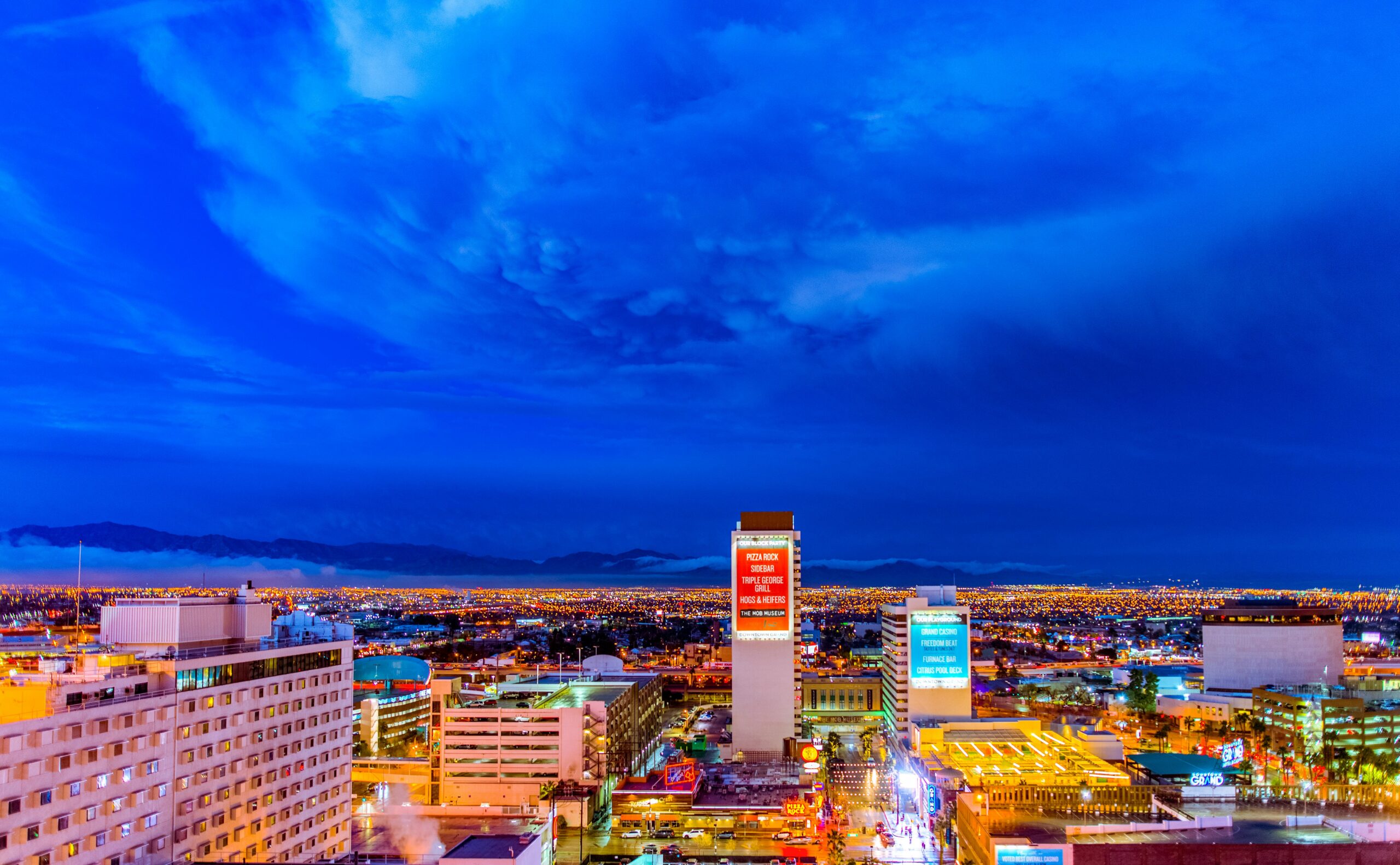
When navigating fast-changing neighborhoods, local expertise matters. If you plan to sell later, get early insight on resale dynamics and demand with tailored selling guidance. For fast-moving purchases, consider whether cash-offer options make sense in competitive pockets. Working with an experienced local real estate team and reading verified client reviews can shorten the learning curve and reduce risk.
Final Takeaways: Opportunities and Tensions
The truth about Las Vegas’ new construction communities is nuanced: they offer modern living, potential for appreciation, and expanded amenities, while also increasing pressure on affordability and altering neighborhood character. Gentrification real estate trends are neither purely positive nor purely negative: they create both opportunity and trade-offs.
If you are evaluating las vegas new homes for sale or thinking about las vegas real estate investments, weigh lifestyle benefits against long-term cost trends in the las vegas housing market forecast, and use local advisors to validate assumptions.
For broader context on national market dynamics and migration patterns that influence local demand, see reporting from Forbes.
Frequently Asked Questions About Las Vegas New Construction and Gentrification
- Is gentrification driving Las Vegas’ new construction boom?
Yes. Gentrification and elevated demand from in-migration drive much of the new construction, especially in zones attractive to higher-income buyers. - How do new construction communities affect nearby resale prices?
New developments typically lift surrounding resale values by improving amenities and infrastructure, although increased pricing can reduce affordability for some buyers. - Should I buy new construction or an existing home in a gentrifying area?
Both options have pros and cons: new construction provides warranties and modern systems, while resale can offer lower entry prices and established neighborhoods. Your choice should reflect budget, risk tolerance, and lifestyle needs. - Are Spring Valley new home communities a good bet?
Spring Valley is centrally located and seeing targeted development. New projects there appeal to buyers wanting access without Downtown price tags, but each community should be evaluated for fees, infrastructure, and resale prospects. - How can communities balance growth with affordability?
Policy tools such as inclusionary zoning, tax relief for long-term residents, and targeted affordable housing programs help, but meaningful balance requires coordinated public and private planning.